


Introduction: Choosing Calm in a Noisy Automotive World
Buying a car in 2026 is more confusing than ever. Electric vehicles dominate headlines, screens keep getting bigger, and performance figures continue to climb. Yet for many real buyers, the uncertainty has only grown. Concerns about charging convenience, long term reliability, and ownership costs often outweigh the excitement of new technology.
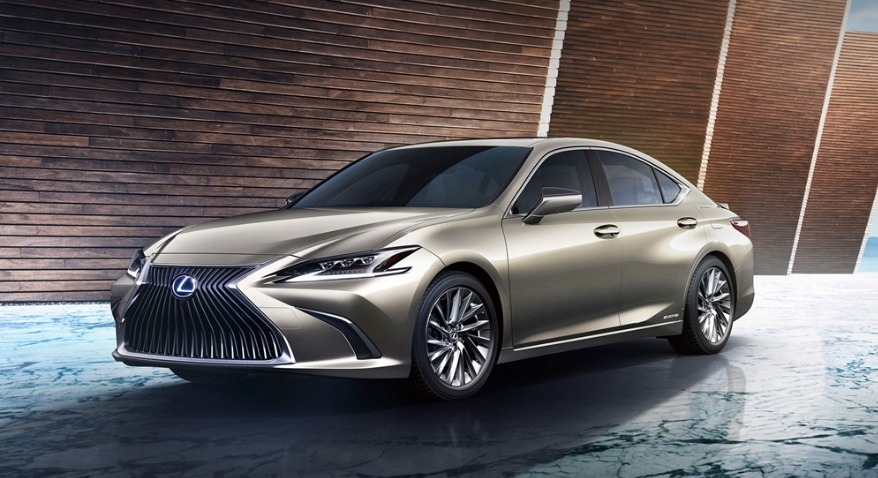
This is where the Lexus ES quietly enters the discussion. It doesn’t try to redefine the segment or chase trends. Instead, it offers a different kind of value one focused on comfort, dependability, and long term peace of mind. This article isn’t here to defend gasoline cars or argue against electric vehicles. It’s here to answer one practical question: in today’s market, does a gasoline Lexus ES still make sense, and for whom?
Driving the Lexus ES: Not Exciting, But Intentionally Comfortable
The first thing you notice when driving a Lexus ES is what doesn’t happen.
There’s no sudden surge of torque, no aggressive exhaust note, and no stiff suspension constantly reminding you of road imperfections. Instead, the ES moves forward smoothly and quietly, with a calm confidence that feels increasingly rare. Steering is light but predictable, and the suspension is tuned to absorb rather than amplify road conditions.
In the ES200 especially, performance is best described as sufficient and relaxed. It won’t thrill you, but it won’t stress you either. In traffic, it feels composed. On long highway drives, it feels settled and fatigue free. For drivers who value ease of use over excitement, this approach makes a lot of sense.
Clear judgment:
✔ Excellent for daily commuting and long distance driving
✘ Not designed for drivers seeking sporty engagement
Reliability and Durability: The ES’s Strongest Argument
Reliability has always been a defining trait of the Lexus ES, and in 2026, that reputation still matters.
The ES200 relies on a naturally aspirated gasoline engine paired with a traditional automatic transmission. While this setup may seem conservative compared to turbocharged or electric alternatives, it is proven, predictable, and well understood. Fewer complex systems generally mean fewer surprises down the road.
For buyers planning to keep their vehicle for many years or those who simply want ownership without anxiety about battery degradation or software-related issues the ES offers confidence that newer platforms have yet to fully earn.
Clear judgment:
✔ One of the safest long term ownership choices in its class
✘ Less appealing to buyers focused on future tech trends
Interior Comfort and Design: Understated Luxury That Ages Well
Inside the Lexus ES, the design philosophy is immediately clear. Nothing is trying too hard to impress.
Materials feel solid, panel gaps are consistent, and the cabin layout prioritizes comfort and usability. Physical buttons are still present for essential functions, which many drivers appreciate during daily use. Road and wind noise are well controlled, even at highway speeds, contributing to a quiet and relaxing environment.
Rear-seat space is generous, making the ES suitable for passengers as well as drivers. Rather than aiming for visual drama, the interior focuses on making long drives more comfortable and that’s where it succeeds.
Clear judgment:
✔ Ideal for buyers who value comfort, quietness, and simplicity
✘ May feel conservative to tech focused shoppers
Lexus ES Pricing in 2026: Understanding the Numbers
Price is often the main hesitation point for potential ES buyers. Below is a realistic overview of estimated U.S. pricing in USD, based on current market positioning.
Estimated Lexus ES Pricing (USD)
| Model | Estimated Starting Price | Typical Transaction Range | Powertrain |
|---|---|---|---|
| Lexus ES200 | $41,000 | $42,000 – $45,000 | Gasoline |
| Lexus ES250 AWD | $44,500 | $45,500 – $48,000 | Gasoline |
| Lexus ES300h | $45,800 | $47,000 – $50,000 | Hybrid |
At first glance, these prices may seem high for a gasoline sedan. However, the value lies not in innovation, but in predictability. Buyers are paying for proven reliability, consistent build quality, and long-term ownership stability rather than cutting-edge features.
Cost of Ownership: Where the ES Often Justifies Its Price
Over time, the Lexus ES often proves to be less expensive to own than many alternatives.
Fuel economy remains reasonable for its size. Insurance costs are typically moderate, and maintenance schedules are straightforward. Lexus models also tend to hold their value well, which helps offset the higher initial purchase price.
Compared to electric vehicles with uncertain long-term battery replacement costs, or luxury sedans with complex powertrains and higher repair risks, the ES offers financial predictability that many buyers overlook at first.
Clear judgment:
✔ A sensible choice for long-term cost stability
✘ Less attractive for short-term ownership
Lexus ES Compared to Common Alternatives
Looking at the broader market helps clarify where the ES fits.
| Model | Strengths | Weaknesses | Best For |
|---|---|---|---|
| Lexus ES200 | Reliability, comfort, quiet cabin | Modest performance | Long-term owners |
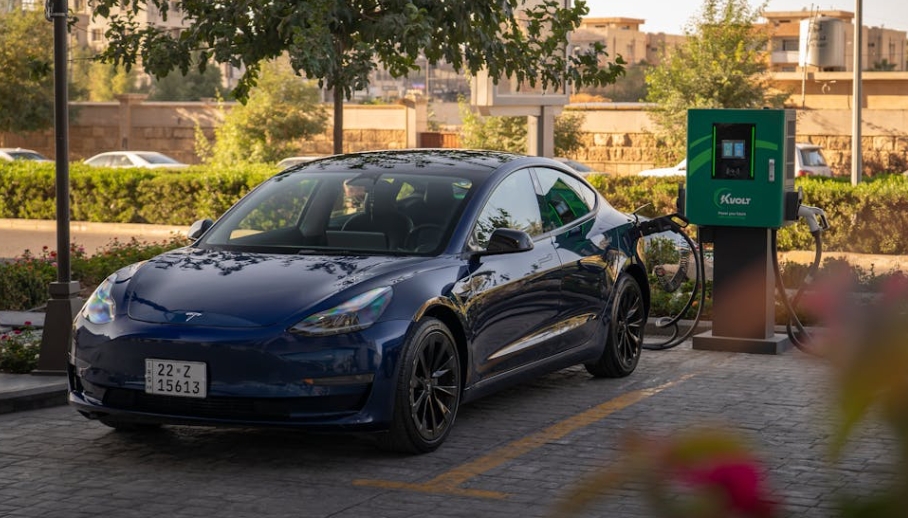
| Tesla Model 3 | Strong acceleration, EV tech | Ride comfort, build consistency | Tech-first buyers |
| BMW 5 Series | Driving dynamics, brand image | Higher maintenance costs | Enthusiast drivers |
| Toyota Camry | Value, efficiency | Less refinement | Budget-focused buyers |
The ES may not dominate headlines, but it consistently delivers where everyday drivers feel it most.
Who the Lexus ES Is—and Isn’t—For
The Lexus ES is well suited for buyers who prioritize comfort, reliability, and a calm driving experience. It appeals to those who plan to keep their car for many years and prefer understated luxury over constant updates and features.
It may not be the right choice for drivers seeking excitement, aggressive performance, or the latest digital interfaces. For those buyers, alternatives exist and that’s okay.
Common Concerns and Real World Advice
Some buyers worry the ES is boring. In reality, it’s intentionally calm. Over time, that calmness often becomes its most appreciated quality.
Others fear gasoline cars will lose relevance. While electrification is growing, dependable gasoline sedans with strong reputations continue to hold value better than expected.
Yes, the ES200 lacks strong acceleration, but in everyday driving, it delivers smooth and stress-free performance that many drivers prefer.
Final Verdict: Is the Lexus ES Worth Buying in 2026?
If you value reliability and durability, the Lexus ES remains a compelling option. If comfort and driving refinement matter more than performance numbers, it delivers consistently. If you prefer understated luxury over digital overload, it fits naturally into daily life.
So, is the Lexus ES worth buying?
For buyers who prioritize real-world usability, predictable ownership, and long-term peace of mind, the answer is still yes.
Next step: Drive one on the roads you actually use. Compare the ES200 and ES300h, and focus on how relaxed you feel after an hour behind the wheel. That’s where the Lexus ES quietly proves its value.