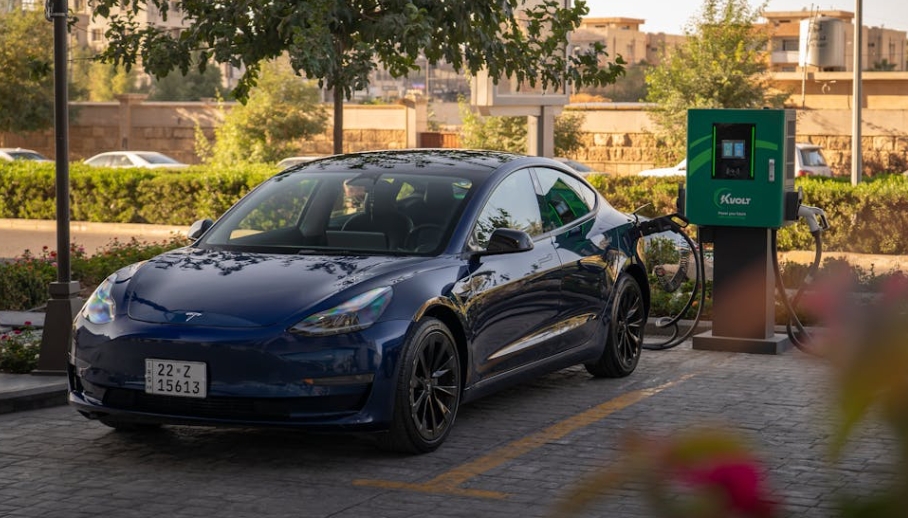

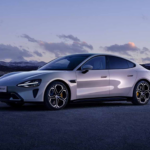

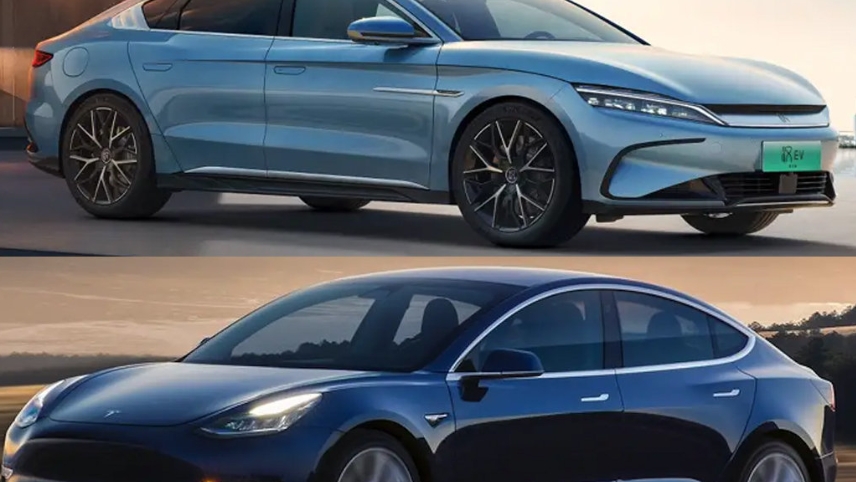
In the global electric sedan market, Tesla Model 3 has long been the reference point. Over the past few years, BYD Seal has emerged as one of the most serious challengers—one designed not as a niche alternative, but as a direct competitor on performance, engineering, and product completeness.
This is not just a comparison between two cars.
It is a comparison between two mature EV development philosophies.
Core Specifications Overview
| Category | Tesla Model 3 (Performance reference) | BYD Seal (Performance reference) |
|---|---|---|
| Platform | Tesla Gen-3 EV platform | BYD e-Platform 3.0 |
| Drivetrain | Dual-motor AWD | Dual-motor AWD |
| 0–100 km/h | ~3.1 s | ~3.8 s |
| Max Power Output | ~393 kW | ~390 kW |
| Battery Type | Ternary lithium | Blade Battery (LFP) |
| Rated Range (CLTC) | ~675 km (varies by version) | ~650 km |
| Body Structure | Steel-aluminum hybrid | High-strength steel dominant |
| Market Positioning | Global performance benchmark | High-performance challenger |
Industry note: On paper, the gap between the two has narrowed significantly. The real differences now lie in engineering priorities rather than headline numbers.
Performance Philosophy: Peak Efficiency vs Sustained Control
Tesla Model 3: Performance Through Efficiency
Tesla continues to optimize for system efficiency:
- Highly efficient motors
- Strong energy management
- Immediate and linear throttle response
Model 3’s advantage is not limited to sprint times. It maintains strong performance at higher speeds and under repeated acceleration—an area where drivetrain efficiency becomes critical.
The trade-off is clear:
- Firmer suspension tuning
- Greater sensitivity to road conditions
👉 Model 3 feels like a product engineered toward maximum efficiency per unit of energy.
BYD Seal: Performance With Thermal and Structural Margin
The Seal takes a different approach, emphasizing stability and robustness:
- Blade Battery prioritizes thermal safety
- Power delivery is smoother and more progressive
- Chassis tuning balances performance and comfort
While outright acceleration figures trail the Model 3 slightly, the Seal focuses on consistency under load and long-term durability.
👉 It delivers performance designed to be repeatable and controlled, not just fast once.
Exterior Design: Functional Minimalism vs Expressive Dynamics
Model 3: Mature Functional Design
The Model 3’s design is highly optimized:
- Low drag coefficient
- Clean, minimal surfaces
- Strong global brand recognition
However, from an industry standpoint, the design has largely stabilized. It feels more like a finished industrial product than a continuously evolving one.
Seal: More Aggressive Visual Language
The Seal adopts a more expressive approach:
- Sharper character lines
- Stronger visual stance
- Emphasis on sport-oriented proportions
It may not be more restrained, but it aligns closely with current global trends favoring dynamic EV aesthetics.
Interior Space and Usability: Driver-Centric vs Daily Practicality
| Aspect | Model 3 | Seal |
|---|---|---|
| Rear Legroom | Adequate | More generous |
| Rear Headroom | Limited by fastback design | More accommodating |
| Seat Comfort | Firm, sporty | Softer, comfort-oriented |
| Storage Solutions | Minimalist | More practical |
The Model 3 prioritizes a driver-focused layout, while the Seal places more emphasis on everyday usability.
Why This Comparison Matters to the Industry
This comparison is no longer about catching up—it’s about parallel maturity.
- Tesla demonstrates how a globally standardized EV can scale efficiently
- BYD demonstrates how a vertically integrated EV ecosystem can compete head-to-head
From an industry perspective:
- Model 3 represents the established benchmark
- Seal represents a fully realized alternative solution
And the distance between the two continues to shrink.
Final Thoughts: Two Valid Answers to the Same Question
If efficiency, software integration, and global consistency are the priority, Tesla Model 3 remains a reference.
If long-term durability, thermal stability, and balanced performance matter more, BYD Seal stands as a compelling contender.
This is no longer a leader-versus-follower story.
It is a dialogue between two complete EV systems—and that is what makes this matchup worth watching.